
Establishing a Ktunaxa IPCA
A 30+ year battle:
Opposition to the Jumbo Glacier Resort Proposal:
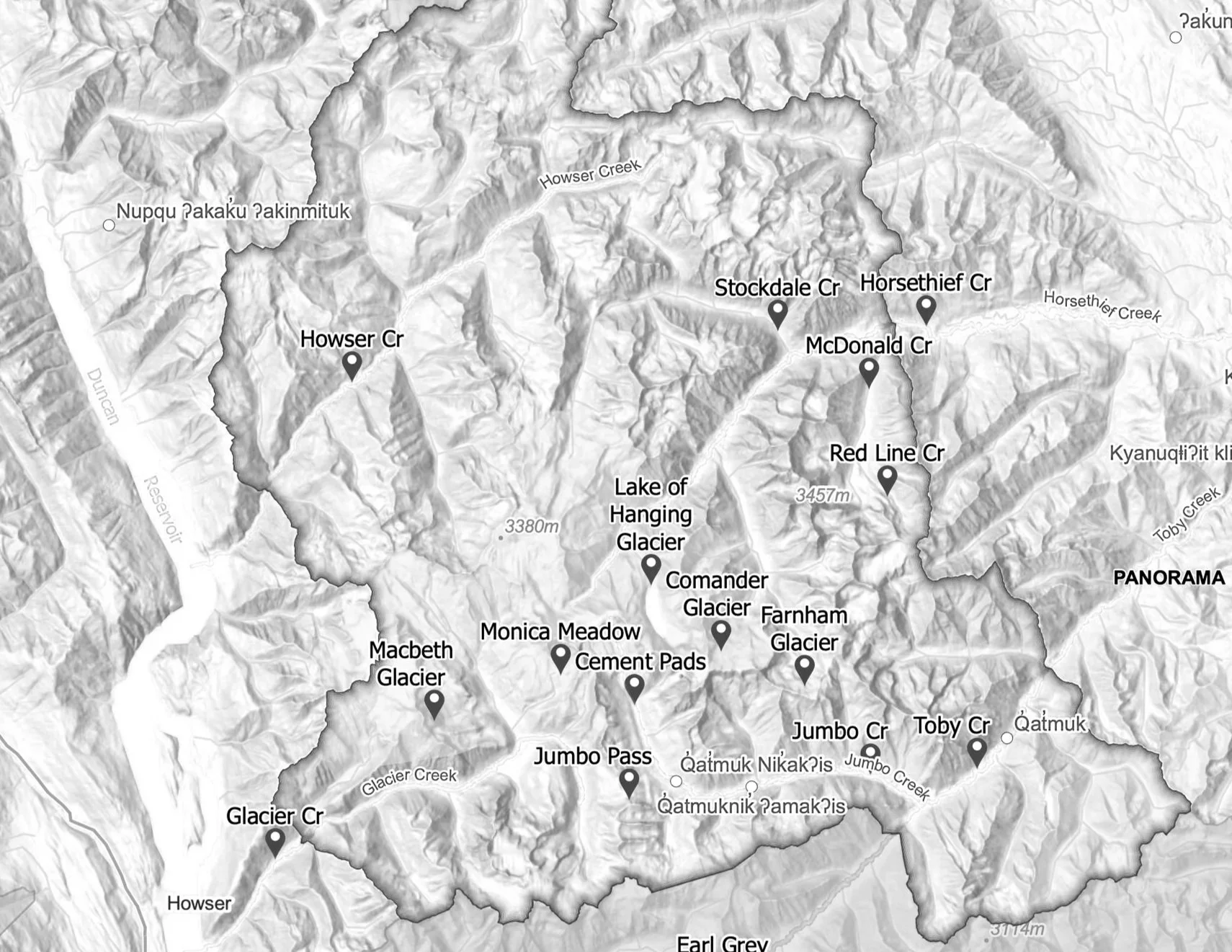
In 1991, a proposal emerged to develop a year-round ski resort — the Jumbo Glacier Resort — in Qat̓muk. Entering the environmental assessment process in 1993, the Ktunaxa Nation led opposition, citing environmental risks and infringement on spiritual and cultural rights. Despite broad public and environmentalist support for the Nation, the project received provincial approvals in 2004. Resort Plan Approved in 2007.
Legal Battle after 2010 Qat̓muk Declaration:
In 2011, the first Qat̓muk Camp is held & commemoration of Declaration at BC Legislature. In 2012, the Ktunaxa launched a legal challenge asserting violation to constitutional right to religious freedoms [Section 2(a): Canadian Charter of Rights and Freedoms]. The Supreme Court ultimately ruled against the Ktunaxa (2017): while the area was sacred, development did not prevent the practice of religion [in a legal sense].
Community and Environmental Advocacy:
Despite the legal loss, widespread grassroots, environmental, and political pressure grew. The project stalled after the environmental assessment certificate expired.
Victory through Indigenous-led Conservation (2019):
In 2019, Ktunaxa shifted focus to pursuing an Indigenous Protected and Conserved Area (IPCA) for Qat̓muk given the newly announced Target 1 challenge and a shifting political and legal environment. Ktunaxa will lead the protection and stewardship of Qat̓muk for future generations, through collaboration with BC, Canada, local authorities and stakeholders. This is a major victory for Indigenous Land Rights and sacred site protection in Canada.
What’s next?
↓
Qat’muk IPCA Planning Becomes a Reality
2020 — The Ktunaxa Nation announced that Qat’muk would become an IPCA. The process was incrementally delayed by COVID and procedural delays. The Ktunaxa Nation was committed to doing this right, regardless of timelines.
2026 — the Ktunaxa Nation is actioning Indigenous-led protections throughout the Qat’muk IPCA, part of this is first using legal tools for permanent land and habitat protection in core areas. This means working collaboratively with the Province of BC to protect 70,000 hectares in the core of Qat’muk — for everyone, forever.
-
Ktunaxa lead with culture first and foremost. Protecting Qat’muk wasn’t optional, it is a cultural stewardship obligation. To protect for the more than human, to give back and honour all living things. There was a dream of putting real protections in place for Qat’muk, but the roadmap was uncharted.
-
The Ktunaxa Nation is leading the protection of Qat’muk as a critical grizzly bear corridor, habitat for many species-at-risk and sensitive ecosystems, and a biodiverse and intact cultural landscape. The Ktunaxa Nation is commited to doing so through deep public engagement, meaningful collaboration, and working through the hard problems and unanswered questions together.
-
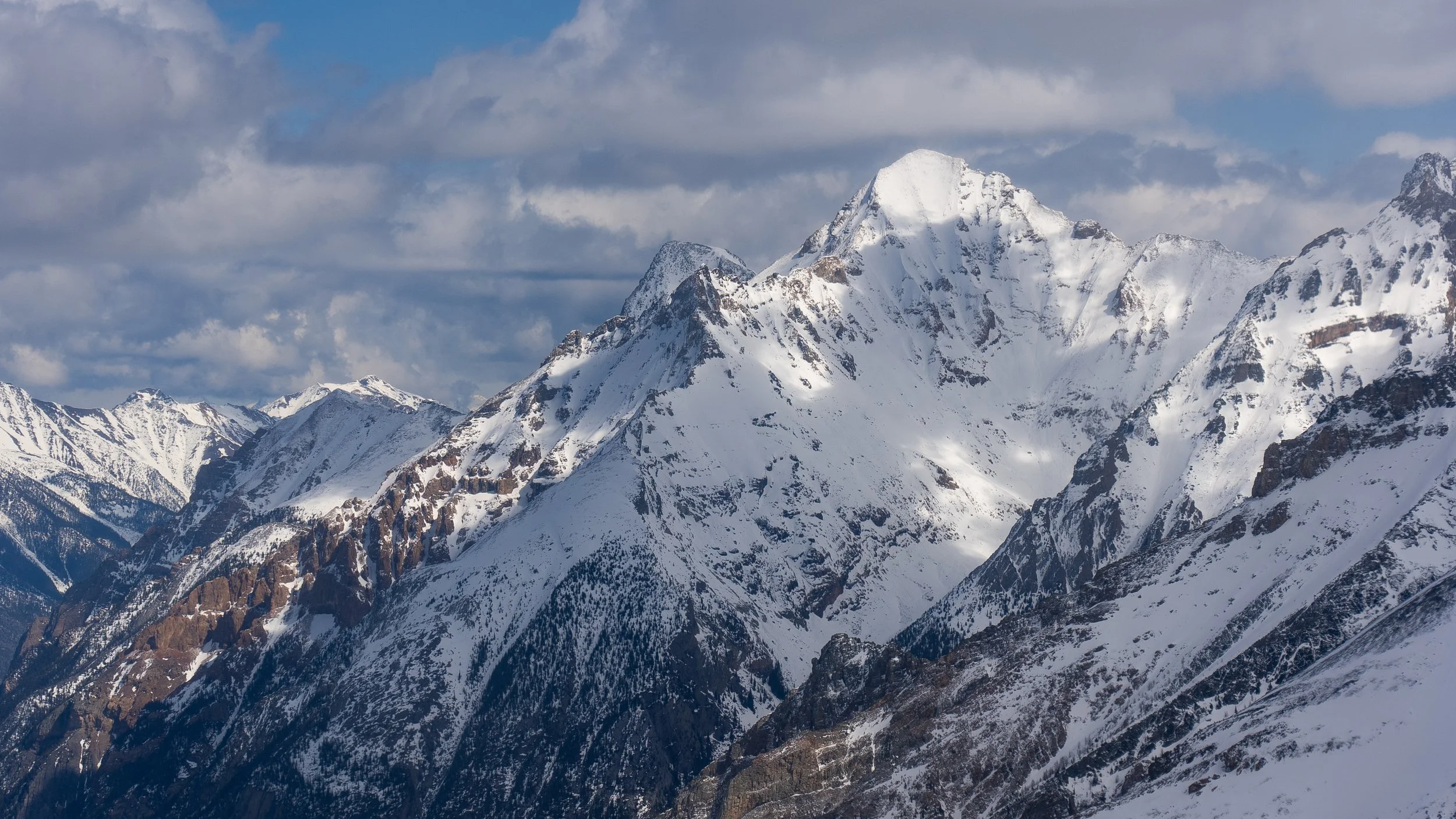
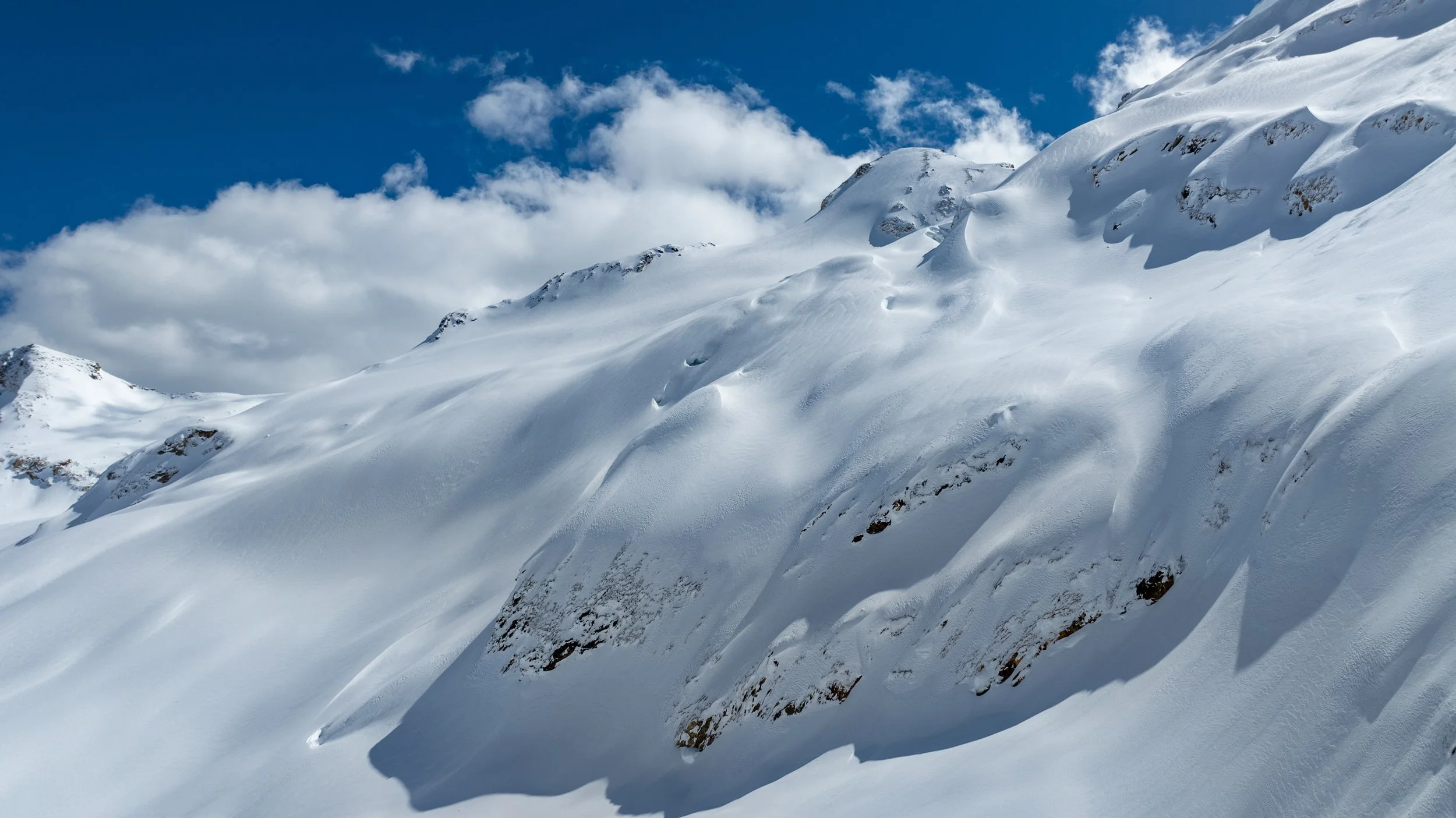
Now, the Ktunaxa Nation takes our first steps in launching the public Qat’muk IPCA. We are well on our way, but the trail ahead is long. Like the flowing glaciers of the Purcell Mountains, steady, forward we move, persistent and unwavering. But, much like the glaciers, we need help, a little goes a long way and we hope you’ll be apart of this journey. Together - Qat’muk will be protected for everyone, forever.